












Jour 1: Quito City tour & Moitié du Monde
Quito city tour et Monument “Moitié du Monde” combinés. Cette option vous permettra de connaître Quito, ses alentours et le monument en une seule journée.
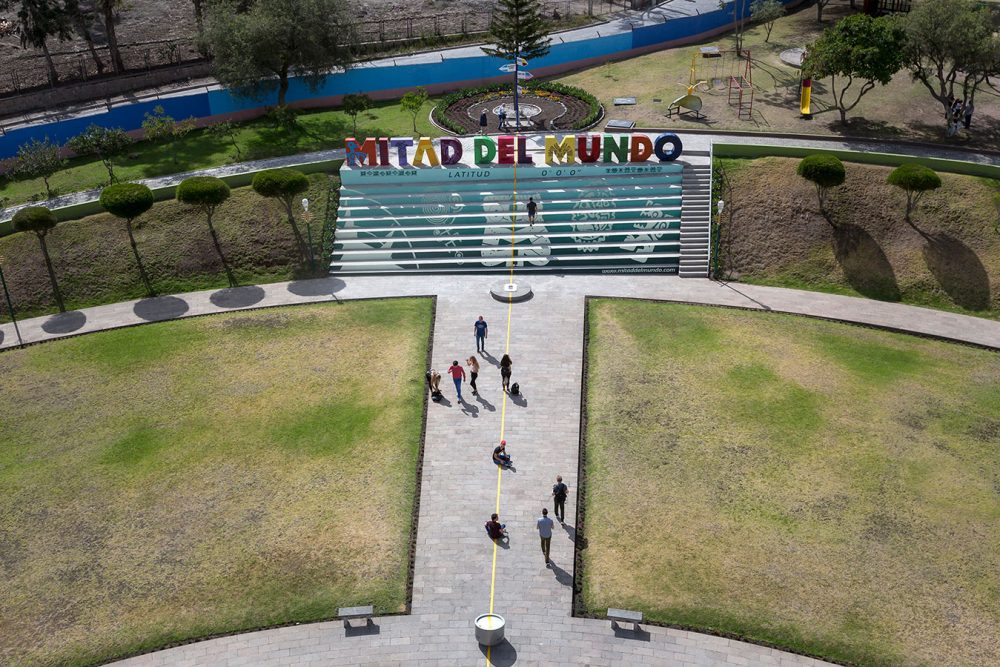
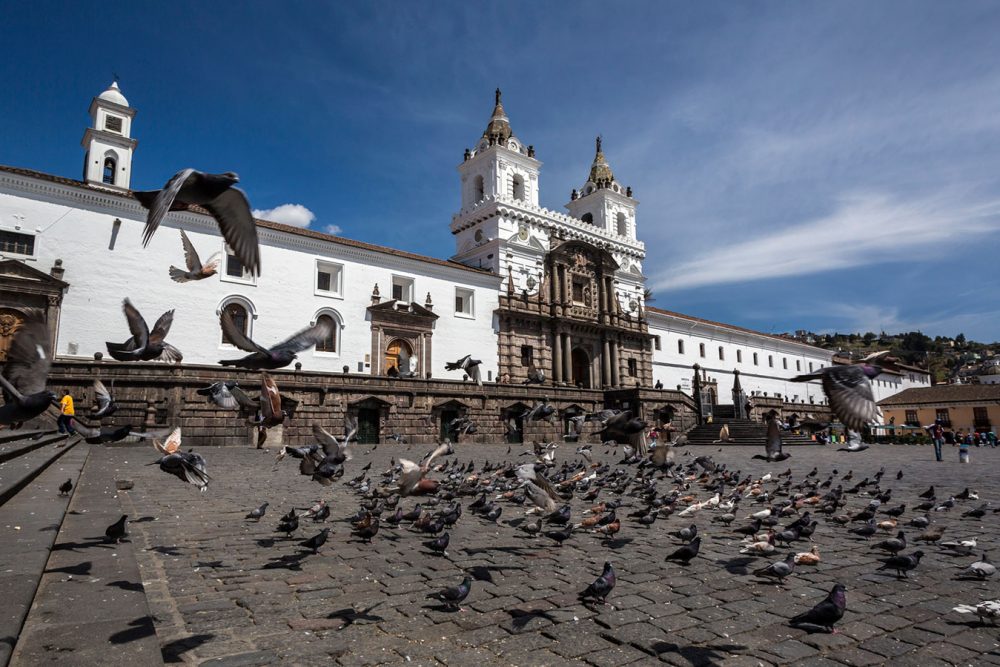
Vous visiterez: le Monastère de San Agustin avec son majestueux Salon Capitular; la Place de l’Independence où se trouve le Palace du Gouvernement, la Cathédrale et le Salon de la Ville. Après vous pourrez admirer la magnifique architecture de l’église El Sagrario, La Compañía et Le Monastère de San Francisco qui fut construit sur les ruines d’un Palais Inca. Ensuite, vous monterez la Colline “El Panecillo” (Vue panoramique de Quito). Et pour finir la journée vous visiterez le monument qui représente le moitié du monde. Nous visiterons le monument principal construit en l’honneur de l’expédition scientifique française arrivée en Équateur au XVIIIe siècle afin de déterminer l’emplacement exact de la ligne de l’équateur. Ici, vous aurez l’occasion de voir le monument de l’Équateur et de visiter le musée IntiÑan, un musée scientifique et culturel, situé à l’intersection exacte de la ligne de l’Équateur, où vous expérimenterez le fait de vivre au centre du monde
Jour 2 : MARCHÉ INDIGÈNE, OTAVALO (1 jour)
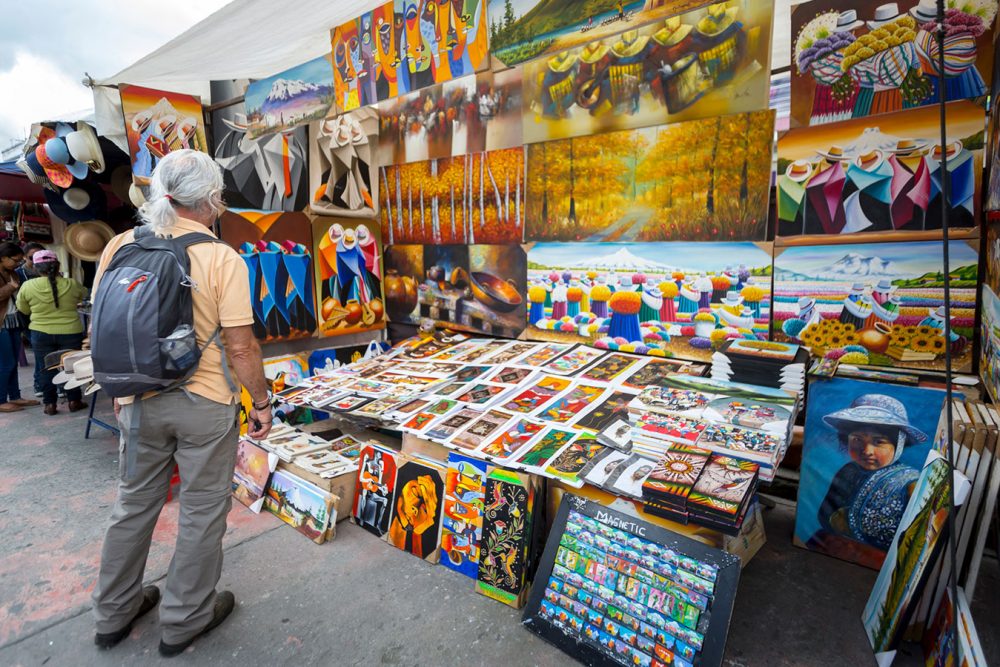
Otavalo est un marché très connu, en Equateur et dans le monde entier, à travers son artisanat exceptionnel.
Un aspect majeur de l’identité ethnique des indiennes ´´Otavalos´´ est leur costume. Pour les hommes, cela se compose d’un poncho bleu, chemise blanche et un pantalon à mi-mollet, un chapeau de type fedora et leurs cheveux peignés en une longue tresse. Les femmes sont habillées en blouses brodées, jupes bleues et châles ainsi que plusieurs couches de colliers d’or et des bracelets de perles rouges. Les hommes et les femmes portent “alpargatas”, un type de sand.
Jour 3 : Parc National Cotopaxi
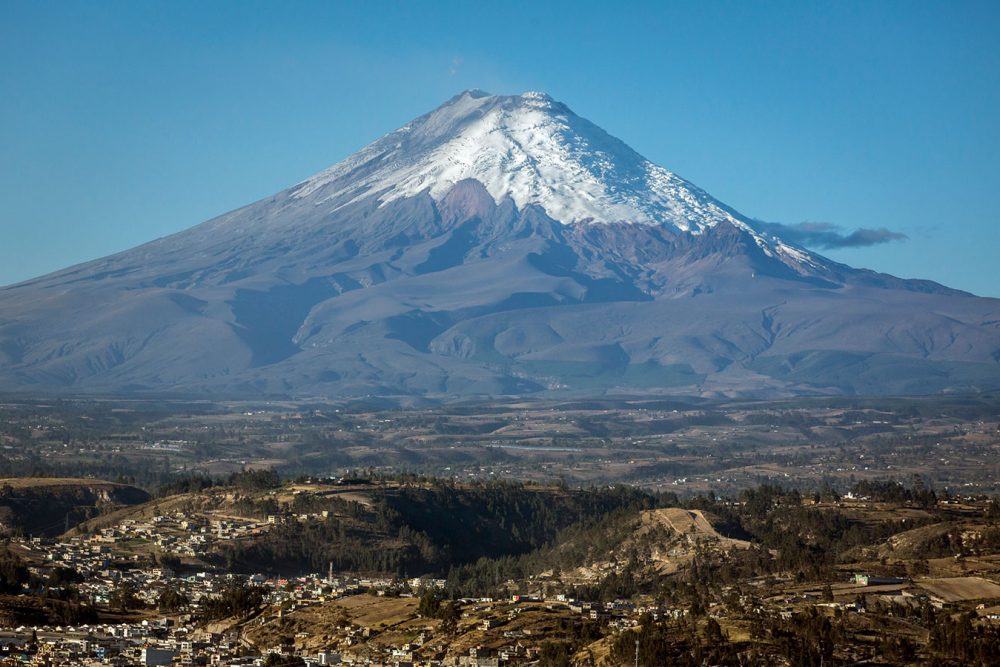
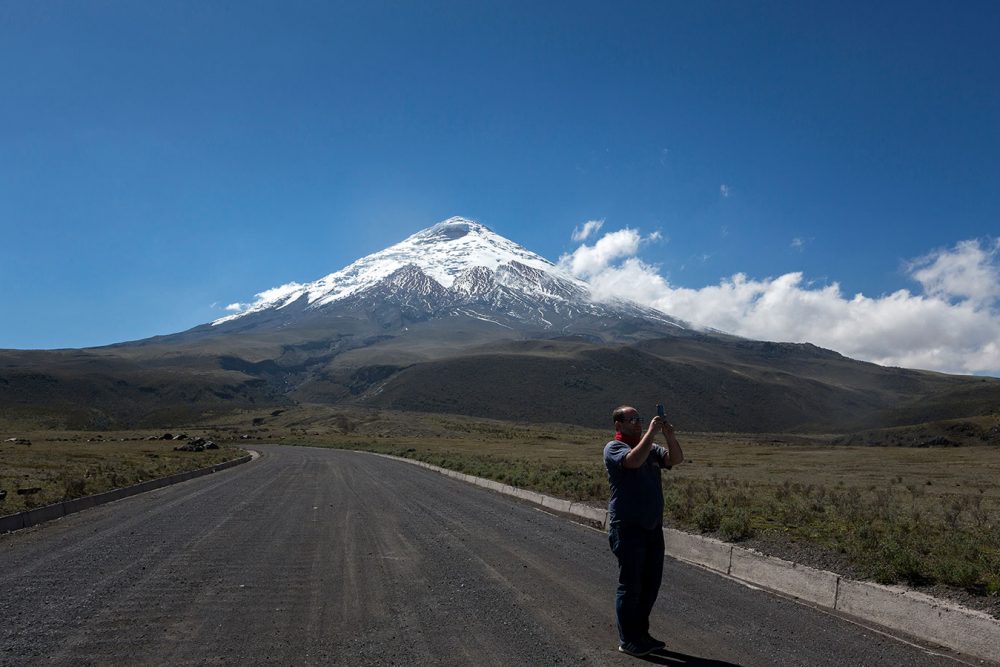
Visite du volcan actif le plus grand du monde!
En partant de Quito vers le sud vous traversez “l’Avenue de Volcans” et vous arrivez au Parc National Cotopaxi. Visite de la réserve et du lac Limpiopungo. Pour climat favorable, escalade du volcan jusqu’aux glaciers. Après une journée dans la montagne, un repas typique bien chaud dans une Hacienda de la région vous fera plaisir. Après-midi, retour à Quito
Jour 4: Galapagos Experience
Vol de Quito aux Iles Galapagos, pour vivre la meilleure expérience dans les îles enchantées.
Il est possible de faire une croisière ou prendre un programme combiné dans les Iles.
Jour 5: Galapagos Experience
Jour 6 : Galapagos Experience
Jour 7: Galapagos Experience
Jour 8 : Galapagos – Quito
Retour des Galapagos à Quito. Détendez-vous dans un agréable SPA Hosteria proche de l’aéroport avant de vous rendre au Pérou.
Jour 9: Quito – Lima – Cuzco
Vol de Quito vers Cusco. Arrivée et temps pour vous adapter à l´altitude.
Jour 10: Cusco City tour et 4 Ruines aux alentours
Dans la matinée, visite de la ville. Visite des lieux les plus attrayants de la ville et, bien sûr, les quatre plus importantes ruines aux alentours de Cusco: Qenqo, l’un des plus beaux exemples de roche sculpté avec art sur le site montrant des modèles complexes de marches, de sièges, de relief géométrique et model de puma. Puca Pukara, située sur une colline avec une vue superbe sur la campagne environnante, Puca Pucara était plus vraisemblablement un tambo. Tambomachay, communément appelée «Baños del Inca» ou bains Inca, Tambomachay était un site de baignade rituelle et Sacsayhuaman, la forteresse Inca, que les visiteurs ne peuvent manquer d’impressionner par la beauté et l’ampleur monumentale de cette importante construction inca. Après-midi libre pour profiter de Cuzco.
Jour 11: Cusco – Sacred Valley – Ollanta – Aguas Calientes
Excursion d’une journée complète dans les vallées sacrées des Incas, au bord de la rivière Vilcanota. Nous aurons l’occasion de partager de près les coutumes des paysans et de négocier avec les vendeurs sur le marché indien typique de Pisac, qui se tient les mardis, jeudis et dimanches. Déjeuner dans un restaurant de la campagne locale. Après le déjeuner, en passant par les villes de Calca et Urubamba, nous visitons la forteresse Inca et la citadelle d’Ollantaytambo, construites pour protéger l’entrée de cette partie de la vallée et la protéger d’une éventuelle invasion des tribus de la jungle inférieure. La forteresse consiste en une série de terrasses en pierre taillée en escalier accessibles par de longs escaliers. Plus tard, vous pourrez vous promener dans les rues pittoresques de la ville voisine et avoir une bonne idée de ce à quoi ressemblait ce centre militaire, religieux et agricole stratégique de l’époque de l’empire Inca. Dans l’après-midi, transfert à la gare et départ pour Aguas Calientes. Nuit à Aguas Calientes
Jour 12: Aguas Calientes – Machu Picchu – Cusco
Transfert de bonne heure à la gare routière Aguas Calientes pour prendre un bus de 30 minutes, en empruntant 6 km de route sinueuse, jusqu’à la merveilleuse citadelle. À votre arrivée, vous participerez à une visite guidée de la citadelle, à la Plaza, à la tour circulaire, au cadran solaire sacré (le plus important Intihuatana préservé), au quartier royal, au temple aux trois fenêtres et à divers lieux de sépulture. Après la visite, vous aurez le temps de vous promener librement dans le site archéologique. Déjeuner dans un restaurant local et retour en fin d’après-midi à Cusco. Nuit à Cusco.
Jour 13: Cusco – Puno by Pullman Bus
Transfert à la gare routière et départ pour la ville de Puno. La balade, qui dure environ huit heures, vous permettra de contempler les prairies sauvages du plateau andin et des villes andines typiques. Il y aura également de brefs escales dans la petite chapelle d’Andahuaylillas, le temple de Wiracocha à Raqchi, La Raya et enfin à Pucara. Arrivée à Puno. Transfert à l’hôtel.
Jour 14: Puno – Lac Titicaka – Puno
Tôt le matin, nous partons pour une excursion de deux heures en bateau à moteur sur les eaux du lac Titicaca jusqu’aux uniques “îles” flottantes des Uros. Ces anciens habitants du lac, connus sous le nom de Water Tribe, ont construit leurs propres “îles” en ajoutant périodiquement de nouvelles couches d’un type de roseau unique dans la région appelée “Totora”. Leurs maisons et leurs bateaux sont également fabriqués à partir de ce matériau. Nous continuons notre voyage en bateau à moteur sur l’île de Taquile, habitée par des indigènes de langue quechua qui ont développé des systèmes sociaux efficaces et uniques, ainsi que des techniques de tissage à la main raffinées, au fil des générations. À votre arrivée à la ville de Taquile, nous déjeunerons. Ensuite, nous marcherons à travers les différentes collines et sites archéologiques de cette île longue de 6 km. Dans l’après-midi, retour à Puno pour la nuit.
Jour 15: Puno – Juliaca – Lima
À l’heure convenable, transfert à l’aéroport et départ pour Lima. Arrivée et correspondance pour le vol international et retour dans votre pays.
INCLUS
-
- Guide bilingue
- Transport
- Entrées détaillées
- Petit déjeuner
NON INCLUS
-
- Repas
- Boissons
- Billets pour le parc
- Billets pour les musées

Daphne Island
Daphne Mayor
The National Park service restricts visitors allowed to visit Daphne and it is a select few that are able to visit this special place. Visitors venture up a steep trail to the crater rim. Finches, masked boobies, short-eared owls and Galapagos martins are visible along the way. Red-billed tropicbirds nest in the cliffs near the summit. Magnificent frigatebirds build their nests in the little vegetation that occurs on the Island’s slopes and near the crater rim. Highlights: Intense bird watching opportunities including nesting blue-footed boobies, masked boobies and tropicbirds Animals: Finches, masked boobies, short-eared owls, Galapagos martins, red-billed tropicbirds, frigatebirds, blue-footed boobies, great blue heronsSantiago Island
Sullivan Bay
The Sullivan Bay lava field has a variety de interesting patterns made by the shapes and textures de trees that once existed there and hornitos caused when pockets de gas or water trapped under the lava exploded. The low-lying mollugo and the lava cactus are the only plants that have managed to take root in this harsh environment. On the shoreline black and white oystercatchers can be seen fishing for crabs and molluscs in the tide pools. Highlights: Geology and volcanology Animals: Oystercatchers, great blue herons, lava herons, lava lizards, marine iguanas, mockingbirdsPuerto Egas
Puerto Egas, with its black sand beaches, was the site de small salt mining industry in the 1960s. A hike inland to the salt crater is an excellent opportunity to sight land birds such as finches, doves, and hawks. A walk down the rugged shoreline will turn up many marine species. Iguanas bask on the rocks and sea lions laze in the tide pools. At the end de the trail there is a series de grottoes or sea caves where fur seals and night herons are found. Highlights: Salt crater; tide pools Animals: Finches, doves, hawks, iguanas, fur seals, night heronsEspumilla Beach
This large coffee-coloured sand beach is just north de the prized fresh water supply that once attracted pirates and whalers. A short walk inland will take you through a mangrove forest normally inhabited by the common stilt. Sea turtles also visit these mangroves to nest. Beyond the mangroves is a brackish lagoon where flocks de pink flamingos and white-cheeked pintails can be seen. Sea turtles often lay their eggs on Espumilla Beach. Highlights: One de the most idyllic locations in the Galapagos Islands; great place for swimming and snorkeling Animals: Common stilts, sea turtles, pink flamingos, white-cheeked pintails, Galapagos finches, vermilion fly catchers, lava lizards, mockingbirdsBuccaneer Cove
Buccaneer Cove is a testament to the fact that Santiago Island was once a refuge for British buccaneers. These pirates would anchor in the protected bay to make repairs and stock up on tortoise meat among other things. The steep cliffs, where hundreds de seabirds perch in front de the dark red sand beach, are a magnificent site. Highlights: Sea birds, historical site, snorkeling, rock formations Animals: Galápagos seahorses, octopuses, hammerheads, Galápagos sharks, green sea tortoises, eagle rays, barracudasFernandina Island
Espinosa Point
Punta Espinosa is a narrow stretch de land where hundreds de marine iguanas gather largely on black lava rocks. The famous flightless cormorant inhabits this island and Galápagos penguins, pelicans and sea lions are also abundant. Different types de lava flows can be compared and the mangrove forests can be observed. Highlights: Galápagos snakes, marine iguanas, lava cactus, lava Animals: Marine iguanas, flightless cormorants, Galápagos penguins, pelicans, sea lions, Galápagos snakes, great blue herons, green sea turtles, lava herons, lava lizards, Madeiran storm petrels, mockingbirdsIsabela Island
Las Tintoreras
A short distance from Puerto Villamil is the small island known as Las Tintoreras. Here a colony de white tip sharks can often be seen resting in a lava canal. You can snorkel or swim in the unique habitat de these animals. On the nearby sandy beaches, sea lions play and relax in the sun. This is one de Isabela's most beautiful visitor sites.Highlights: Snorkeling
Animals: Sea Lions, white-tip reef sharks, marine iguanasTortoise Breeding Center
This center was created to protect animals in their first years de life from the threats de foreign species such as pigs and donkeys. Giant tortoise eggs are collected and brought to the center where they are hatched and kept for five years before being released to their natural environment. Highlights: Two de the five sub-species de the giant tortoise. Animals: TortoisesWetlands
The Wetlands de Isabela Island are located just outside de Puerto Villamil. The Wetlands consist de lagoons, swamps and mangroves and are home to a variety de unique bird species such as common stilts, whimbrels, white-cheeked pintails and gallinules. The Wetlands can be visited on foot via a path that winds through the swamps. Highlights: Giant mangroves, shore birds Animals: Common stilts, whimbrels, white-cheeked pintails, gallinulesThe Wall de Tears
Between 1946 and 1959 Isabela was a penal colony, where prisoners were made build a wall with huge blocks de lava as punishment. Due to the arduous labour and harsh conditions in which the prisoners lived, this site is known as the wall de tears. A set de stairs provides a bird's eye view de the wall and the surrounding landscape. You can still see the foundations de a USA base from the Second World War. Highlights: View de the wall Animals: Lava lizards, Galápagos finches, hawksTagus Cove
Named after a British warship which anchored here in 1814, this cove is located to the west de the island and you can take a panga (zodiac) trip below the high cliffs. Here there is an opportunity to see penguins as well as marine iguanas, Sally Lightfoot crabs and sea lions. Blue-footed boobies are also in abundance. Highlights: Pirate graffiti on the rocks Animals: Penguins, marine iguanas, Sally Lightfoot crabs, sea lions, blue-footed boobies, green sea turtles, lava lizards, mockingbirdsVicente Roca Point
Here the remnants de an ancient volcano form two turquoise coves with a bay well protected from the ocean swells. The spot is a popular anchorage from which to explore the cliffs, where masked and blue-footed boobies perch while flightless cormorants inhabit the shoreline. The upwelling de coldwater currents in this part de the Galápagos give rise to an abundance de marine life, which make Punta Vicente Roca one de the archipelago’s sough after dive spots. Highlights: Sheltered coves and abundant marine life Animals: Masked and blue-footed boobies, flightless cormorants, sea lions, pelicans, penguinsUrbina Bay
The waters de Urbina Bay are a good place to see turtles and rays and ashore is a short trail leading to a coral reef, which is evidence de an uplift from the sea which occurred in 1954. This provides the rare experience de walking in the middle de a bed de coral. Marine iguanas, flightless cormorants and pelicans can be seen at this site. Highlights: Walking on a bed de coral Animals: Giant tortoises, rays, marine and land iguanas, flightless cormorants, pelicans, lava lizards, mockingbirdsSierra Negra Volcano
The Sierra Negra Volcano boasts the largest basaltic caldera in Galapagos at 9 x 10km. The site offers impressive views and the opportunity to observe up to 7 species de finch and a rich display de vegetation. The north side de the caldera provides evidence de its most recent volcanic activity in 2005 Highlights: Basaltic caldera, stunning views, finchesFloreana Island
Cormorant Point
Noted for the volcanic green olivine crystals found in the beach, Cormorant Point offers a trail overlooking a saltwater lagoon that is a favourite de flamingos. Beyond the lagoon the trail leads to a magnificent white-sand beach. Green sea turtles lay their eggs in the sands here during the night and their tracks leading to and from the sea mark the beach. Highlights: Flamingos Animals: Flamingos, green sea turtlesDevil’s Crown
Arguably the best snorkeling site in the islands, Devil's Crown is a collapsed volcanic cone that boasts an extraordinary number and variety de fish. It is a popular roosting site for seabirds such as boobies, pelicans, and frigates. In addition, sharks, sea lions, sea turtles and eels can be found amongst the rocks and corals. Highlights: Snorkeling Animals: Boobies, pelicans, frigates, sharks, sea lions, sea turtles, eelsPost Office Bay
The best known site on Floreana is Post Office Bay, a white-sand beach where in the past sailors used to leave and receive their letters in a barrel. The tradition continues - leave your postcard in the barrel and see how long it takes to be delivered, and at the same time if there is a postcard with an address close to your home, please take it with you. Highlights: Post office barrel Animals: Sea lions, great blue herons, Madeiran storm petrelsEspañola Island
Suárez Point
This is one de the most outstanding wildlife areas de the archipelago, with a long list de species found along its cliffs and sand or pebble beaches. In addition to five species de nesting seabirds there are the curious and bold Española Island mockingbirds, Galápagos doves and Galápagos hawks. Several types de reptiles, including the marine iguana and the oversized lava lizard, are unique to this island. Highlights: High concentration de wildlife Animals: Española Island mockingbirds, Galápagos doves, Galápagos hawks, marine iguanas, lava lizardsGardner Bay
Gardner Bay has a magnificent beach with turquoise waters. Around the small islets nearby, snorkellers will find lots de fish and sometimes turtles and sharks. The bay is also frequented by a transient colony de sea lions which like to swim with you. Birds, like the endemic Hood-mockingbird and different species de Darwin finches, are omnipresent. Highlights: Beach; snorkeling Animals: Madeiran storm petrels, marine iguanas, sea lions, turtles, sharksOsborn Islet
This small island to the southeast de Española Island is a marine visit where you can enjoy fantastic snorkeling and swimming. Highlights: Snorkeling and swimming Animals: Colorful fishSan Cristobal Island
Interpretation Centre
The Galápagos National Park Interpretation Centre has a series de interactive exhibits providing information about the history and biodiversity de the Galápagos Islands. The self-guided walking tour will take you through the history de the Islands in the context de nature, humankind and conservation. Highlights:Interactive exhibits Animals:N/AIsla Lobos (Sea Lion Island)
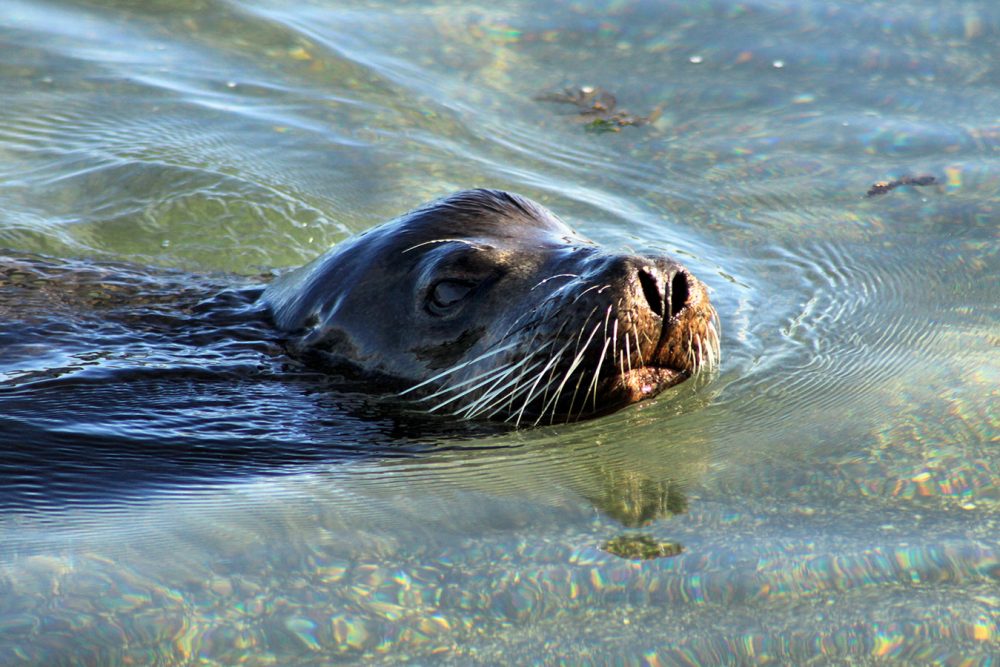
This small island is named after the sea lions that rest and play on its rocky shores. It is also home to blue-footed boobies, great frigate-birds, brown pelicans, lava gulls, common noddies, yellow warblers and small and medium ground finches. There is good snorkeling in the clear waters de the channel and this is one de the best sites at which to swim with sea lions underwater. Highlights: Swimming with sea lions Animals: Sea lions, boobies, frigate-birds, pelicansLeón Dormido (Kicker Rock)
This small, distinctive island comprises two rocks which jut out de the ocean and is home to a large colony de sea birds. Kicker Rock is an excellent dive site where you could see many reef fish as well as hammerhead and Galápagos sharks. Sightings de large rays and turtles are common but not guaranteed. Highlights: Diving; snorkeling Animals: Boobies, reef fish, sharksCerro Brujo (Wizard’s Hill)
One de the first sites visited by Charles Darwin, Cerro Brujo is a beautiful white-sand beach where brown pelicans, blue-footed boobies, sea lions, and marine iguanas can all be found. An onshore version de nearby Kicker Rocks, Cerro Brujo is a very striking, eroded tuff cone. There is also fantastic snorkeling in the turquoise waters. Highlights: Snorkeling; beach Animals: Sea lions, pelicans, boobies, marine iguanasPunta Pitt
Punta Pitt is located on the northeastern corner de San Cristóbal Island. The trail includes an olivine beach approximately 90 meters/295 feet and a trail that ascends to the top de a volcanic tuff hill passing through several natural viewpoints The walking trail is 1,400 meters/nearly one mile, with an estimated time de two hours, round trip. Punta Pitt is composed de volcanic tuff substrate. High winds present there have led to a unique form de natural erosion.. Highlights: Hiking Animals: Three species de boobies and 2 species de frigates, sea lionsLa Galapaguera
At this information centre in the highlands you will learn about the giant tortoise breeding programme established by the National Park. You can see giant land tortoises living in a semi-natural habitat and also learn about their origin, evolution and the threats from introduced animals. Highlights: Giant tortoises Animals: Giant tortoisesSanta Cruz Island
Tortuga Bay
Tortuga Bay is a pristine location with a beautiful white-sand beach. It is a great place for swimming and even surfing. Tortuga Bay is also a favorite place for sea turtles (which gave the beach its name), sea lions, marine iguanas, pelicans, flamingos and lava gulls which are endemic to the Islands and are commonly found along the shore de most beaches. Highlights: Pristine white-sand beach with sea turtles Animals: Sea turtles, sea lions, marine iguanas, pelicans, flamingos, lava gullsHighlands
The highlands are located in the northern part de the island and can reach elevations up to 1500 meters. On a journey into the higher elevations de Santa Cruz you will experience all seven different vegetation zones. The vegetation here is abundant and lush and the weather moist. Highlights: Vegetation Animals: Galápagos flycatchers, small tree-finches, woodpecker finchesLos Gemelos
Los Gemelos, Spanish for The Twins, are two volcanic depressions on the highest part de Santa Cruz. The larger de the two volcanic pits is featured here. In contrast to the dry coastal lowlands, the highlands are covered by mist in the garua (foggy) season and receive thus much more moisture and support a more luxuriant vegetation. Highlights: Luxuriant vegetation Animals: Vermillion flycatchers, woodpecker finches, short eared owlsWhale Bay
Whale Bay is the site de one de the oldest whaling camps on Santa Cruz Island. It was to here and the other similar camps that the giant tortoises were brought before being loaded onboard the whalers and pirate ships. The semicircle beach is green in color, due to a high volume de olivine crystals. The curious Galápagos hawk can also found here. Highlights: Green beach Animals: Galápagos hawks, Galápagos sea lions, marine iguanas, Darwin’s finches, yellow warblers, frigate birds, blue-footed boobiesBachas Beach
Located on the north shore de Santa Cruz, Las Bachas is a swimming beach. One de the few remnants de the U.S. World War II presence in the Galápagos, a floating pier, can be seen here. You may see flamingos, Sally Lightfoot crabs, hermit crabs, black necked stilts, and whimbrels. Sea turtles also nest off the beach. Highlights: World War II remnants Animals: Sally Lightfoot crabs, hermit crabs, black necked stilts, whimbrels, sea turtlesDragon Hill
The Dragon Hill (Cerro Dragon) visitors’ site was established by the Galápagos Islands National Park administration. A hypersalinic (saltier than the ocean) lagoon behind the beach is often frequented by flamingos, common stilts, pintail ducks and other species de birds. There is a short walk to the hill, which has rewarding views de the bay and a nesting site de land iguanas. Highlights: Hypersalinic lagoon Animals: Flamingos, common stilts, pintail ducks, land and marine iguanas, great blue and lava herons, lava lizards, mockingbirdsCharles Darwin Research Station
The CDRS is an international not-for-profit organization that provides scientific research, technical information and assistance to ensure the proper preservation de the Galápagos Islands. Visitors can learn about natural history, issues concerning the islands, and see the tortoise breeding and rearing project at work. Highlights: Tortoise breeding Animals: Giant tortoises, great blue herons, land iguanas, lava lizards, mockingbirdsCarrion Point
Carrion Point creates a sheltered lagoon with beautiful, turquoise water. During this visit you can snorkel and see a variety de fish, rays and perhaps the harmless white-tip reef sharks. The point is on the north coast de Santa Cruz Island at the entrance de Channel de Itabaca. Highlights: Snorkeling Animals: Fish, rays, white-tip reef sharksCharlesDarwin
Wolf
Genovesa Island
Darwin Bay
The beach is a coral beach where a 750m trail takes you through more seabird colonies. You get to see the cliffs from the seaward side, which are home to a large red-footed booby colony. Once ashore the number de birds seems overwhelming – Nazca boobies soar overhead, great frigatebirds display their pouches while resting on the nearby rocks and plants, and mockingbirds scamper quickly across the sand. Highlights: Incredible birding opportunities Animals: Nazca boobies, great frigatebirds, mockingbirds, wandering tattlers, lava gulls, whimbrels, turnstones, yellow-crowned, black-crowned and lava herons, white and yellow warblers, red-footed boobies, sharp-beaked finch, large cactus finches, large ground finches, Galápagos doves, swallow-tailed gulls, Madeiran storm petrels, marine iguanasPrince Phillip’s Step (El Barranco)
An extraordinary, steep path leads through a seabird colony full de life, up to cliffs that are 25m high. At the top the trail continues inland, passing more seabird colonies in a thin palo santo forest. Leaving the forest you can overview a rocky plain. You could get a view de masked and red-footed boobies, great frigate birds, swallow-tailed gulls, red-billed tropicbirds and hundreds de storm petrels at the edge de the cliff. Highlights: Seabird colony Animals: Masked and red-footed boobies, great frigatebirds, swallow-tailed gulls, red-billed tropicbirds, Madeiran storm petrels, Galápagos fur seals, lava gulls, marine iguanas, mockingbirdsMarchena
Pinta
Baltra
Rabida Island (San Salvador or James)
The high amount de iron contained in the lava at Rábida gives it a distinctive red color. White-Cheeked Pintail Ducks live in a salt-water lagoon close to the beach, where brown pelicans and boobies have built their nests. Up until recently, flamingos were also found in the salt-water lagoon, but they have since moved on to other islands, likely due to a lack de food on Rábida. Nine species de Finches have been reported in this island.Pinzon
Bartholomew Island (Bartolomé)
Bartolomé Island is a volcanic islet just off the east coast de Santiago Island in the Galápagos Islands Group. It is one de the "younger" islands in the Galápagos archipelago. This island, and Sulivan Bay on Santiago island, are named after naturalist and life-long friend de Charles Darwin, Sir Bartholomew James Sulivan, who was a Lieutenant aboard HMS Beagle.North Seymour Island
The 2km trail crosses the inland de the island and explores the rocky coast, passing colonies de blue-footed boobies and magnificent frigatebirds. Daphne Major and Minor can be spotted in the distance and body surfing sea lions play close to the shore. Along the shoreline marine iguanas, white coral and black lava rocks complete the visit to North Seymour. Highlights: Rare Galápagos snakes, nesting frigatebirds, swallowtail gulls and blue-footed boobies, land iguanas Animals: Galápagos snakes, land iguanas, lava gulls, lava lizards, magnificent frigatebirds, marine iguanas, mockingbirdsMosquera Island
Located between North Seymour and Baltra is the small island de Mosquera. The island consists is a long narrow stretch de white sand, rocks, and tide pools. Created by geological uplift the island has a flat look to it rather than the conical shape de the volcanically formed islands. Mosquera is a great place for visitors to wander without the typical restrictions de the other islands. It is ideal for snorkeling, strolling on the beach, and enjoying the animal life. Highlights: Large population de sea lions Animals: Great blue herons, lava gulls, lava herons, lava lizards, marine iguanasSanta Fe Island
Santa Fe is a volcanic uplift and hosts a forest de Opuntia cactus, which are the largest de the archipelago, and palo santo. Weathered cliffs provide a haven for swallow-tailed gulls, red-billed tropic birds, and sehar-waters petrels. The Santa Fe species de land iguanas are often seen, as well as lava lizards. There is a picturesque turquoise lagoon and calm waters where you can snorkel amongst sea lions. Highlights: Land iguanas, Galápagos hawks, playful sea lion pups Animals: Frigate birds, Galápagos hawks, land and marine iguanas, manta rays, sea turtles, sea lions, lava lizards, mockingbirdsSanta Fe (Barrington)
Santa Fe (Barrington) is home to the small picturesque bay and anchorage on the island's northeast coast. The bay has two visitor trails, one leading to a scenic viewpoint atop a cliff, and the others Highlights: Land Iguanas, giant Opuntia cacti panning from a small beach to a tall prickly pear cactus forestSouth Plaza Island
South Plaza has one de the largest populations de land iguanas in the Galápagos. It is also home to marine iguanas and a hybrid iguana whose fathers are marine iguanas and mothers are land iguanas. There are cliffs with spectacular views and a rocky trail circumnavigates the island displaying the combination de dry and coastal vegetation zone. The island is home to enormous prickly pear cactus and the endemic succulent sesuvian. Highlights:Land iguanas, nesting swallow tail gulls and snorkeling with friendly sea lions Animals:Land iguanas, lava lizards, Madeiran storm petrels, marine iguanasRegular plan
| Mon | Tue | Wed | Thu | Fri | Sat | Sun |
|---|---|---|---|---|---|---|
| $0.0 | $0.0 | $0.0 | $0.0 | $0.0 | $0.0 | $0.0 |
Autres tours
-
Bienvenue à la capitale de l'Equateur, nous allons découvrir cette charmante ville et ses secrets en parcourant...
-
Nous allons découvrir cette charmante ville et ses secrets, en parcourant la section moderne de Quito....
-
City tour à Quito (MT 01) pour découvrir cette belle ville coloniale. Déjeuner....
-
Départ, le matin de Quito vers Manta. Arrivée à Manta et City tour. Après, vous continuez votre route jusqu’à...


